
Practical Self Defense Training Guide
Practical Self Defense Training Guide
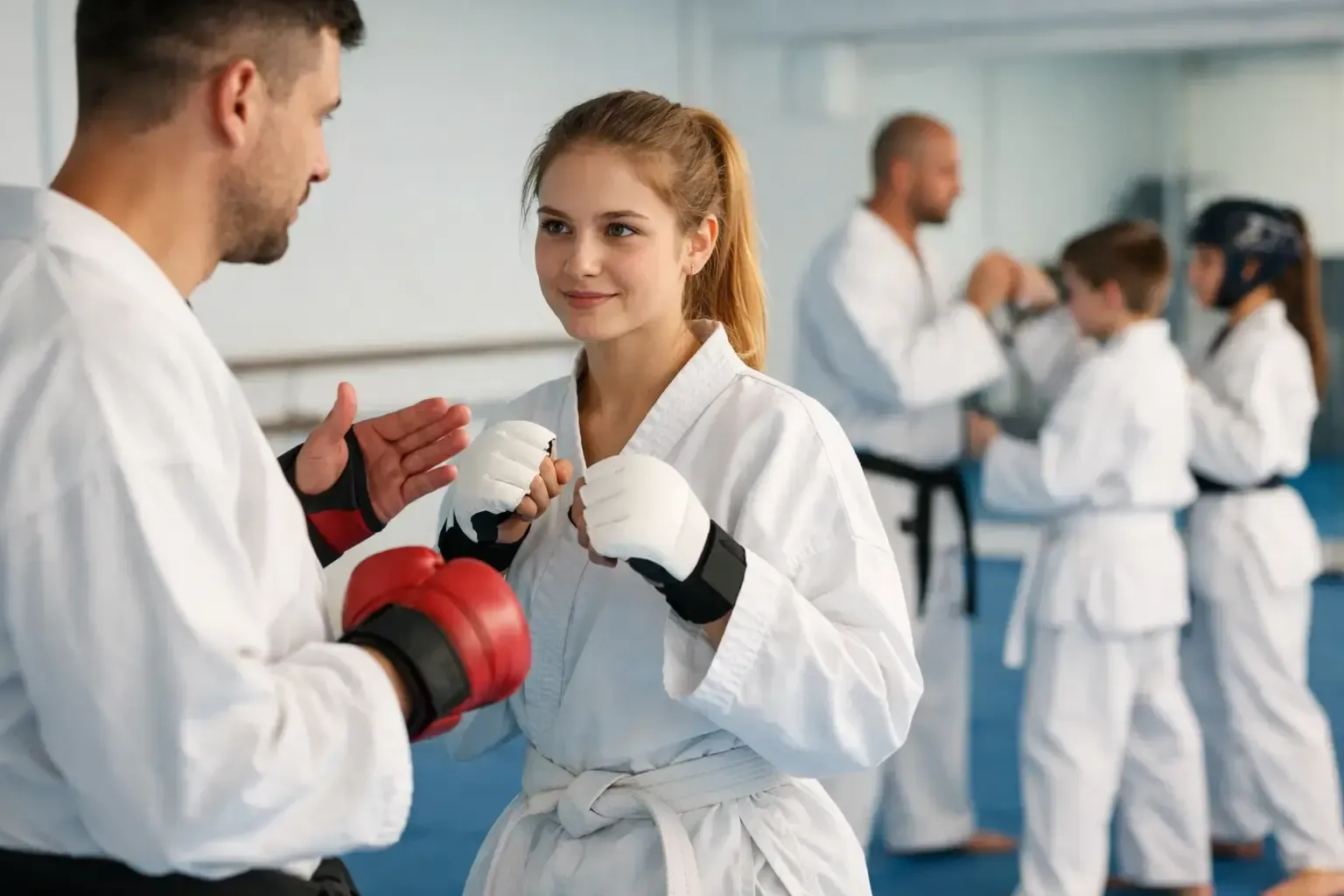
A lot of people start looking for practical self defense training after a moment that rattles them. Maybe it was a late walk to the subway, a tense interaction on the street, or the realization that being in shape is not the same as being prepared. What they usually find is either fear-based or flashy techniques that fall apart under pressure. Real self-defense training should do the opposite. It should make you calmer, sharper, and more capable. That's what we offer.
It starts with a simple truth: practical self-defense is not about looking tough. It is about learning how to recognize problems early, manage stress, move with purpose, and use simple skills that hold up when adrenaline hits. For kids, teens, and adults, the best training builds confidence without feeding ego. It improves fitness, but it also improves judgment.
What practical self-defense really means
A practical self-defense approach focuses on what is most likely to help in real life, not what looks impressive in a demo. That includes awareness, posture, distance management, verbal boundaries, basic striking, escaping grabs, and recovering quickly when things get messy. It also includes knowing when not to engage.
This matters because real confrontations are unpredictable. They are fast, awkward, and stressful. Fine-motor techniques can break down. Complex combinations are harder to access. What tends to work better is a trained response built around balance, timing, simple movements, and repeated practice.
For beginners, that is good news. You do not need years of experience before training becomes useful. You need consistent coaching, a structured environment, and drills that teach you how to stay composed while using fundamentals.
A practical self defense training guide for beginners
If you are new to martial arts, start by shifting your goal. Do not aim to become fearless. Aim to become prepared. Fear is a normal response. Training helps you act well despite it.
The first piece is awareness. Good self-defense starts before any physical contact. You learn to pay attention to space, exits, body language, and developing tension. This does not mean living on edge. It means becoming less distracted and more intentional.
The second piece is posture and movement. Standing upright, keeping your hands in a ready position, and moving without crossing your feet can make a bigger difference than people expect. Strong posture communicates confidence and helps you react faster. Good footwork creates options. Without it, even powerful techniques are hard to apply.
The third piece is verbal boundary setting. Many situations are better handled with distance, eye contact, and a firm voice than with force. A strong self-defense program should teach students how to say no clearly, how to de-escalate when possible, and how to recognize when talking is no longer enough.
The fourth piece is physical response. Here, simpler is better. Effective training often centers on a small number of high-percentage actions - protective stance, basic strikes, movement off line, escapes from common grabs, and getting to safety. The point is not to win a fight. The point is to interrupt the threat long enough to create an exit.
Why fitness alone is not enough
A lot of adults assume that if they get stronger or improve cardio, they will naturally be better at defending themselves. Fitness helps, absolutely. Better conditioning improves stamina, reaction speed, and resilience under pressure. But self-defense also requires timing, distance, decision-making, and stress exposure.
Someone can be very athletic and still freeze in a confrontation if they have never trained under realistic pressure. On the other hand, a beginner with modest fitness can make smart choices and apply basic techniques well if they have practiced them consistently.
This is one reason structured martial arts classes are so valuable. They combine conditioning with skill development. In a good class, students are not just burning calories. They are learning how to hold their ground, recover from mistakes, and stay disciplined when they are tired.
The role of repetition and controlled pressure
People often want self-defense training to feel instantly practical. That makes sense. But usefulness does not come from collecting techniques. It comes from repeating the right skills until they become reliable.
A well-run class builds that reliability step by step. First, you learn the movement. Then you repeat it with coaching. Then you add light pressure, movement, and decision-making. Over time, your body stops treating every fast interaction like chaos.
This is where training culture matters. If the room is ego-driven, beginners either shut down or start forcing techniques without understanding them. If the environment is structured and supportive, students can train hard while staying safe. That is especially important for kids and teens, who need self-defense skills tied to self-control, respect, and emotional discipline.
What adults and teens should expect from training
Adults and teens often come in with mixed goals. They want self-defense, but they also want fitness, stress relief, and a training routine they can stick with. That is why combat-based fitness and martial arts training can be so effective. It gives people a reason to stay consistent.
A good class should challenge your conditioning while keeping technique central. You might work striking, footwork, partner drills, and bag rounds in the same session. That mix develops practical coordination and keeps training engaging. It also gives beginners a clear path. You do not need to figure everything out alone. You show up, follow the structure, and improve over time.
There is a trade-off here. If you want realistic self-defense skills, training has to involve some discomfort. You will need to move when tired, think while under pressure, and accept correction. But it should never feel chaotic or unsafe. The best programs strike a balance between intensity and control.
Choosing the right practical self defense training guide in real life
If you are comparing options, look beyond marketing claims. Ask what the classes actually teach and how they are taught. A useful program should include fundamentals, repetition, partner work, and clear coaching. It should welcome beginners without watering down the training.
Pay attention to the atmosphere. Do instructors lead with discipline and respect, or with intimidation? Do students look focused and supported, or just exhausted? A strong school helps people grow steadily. It does not rely on hype.
It also helps to choose training that fits your life. If a program is so intense or inconvenient that you cannot attend regularly, it will not help much. Consistency beats occasional bursts of motivation. In a city like New York, where schedules are tight and stress is already high, the best training is training you can realistically sustain.
For many people, that means finding a place where self-defense, fitness, and personal growth are taught together. NY Best Kickboxing reflects that model well by giving students a structured environment to build practical skills, stronger conditioning, and greater confidence without the pressure of a fight-first culture.
The mindset that makes training work
The biggest shift in self-defense training is often mental. Students come in thinking they need more aggression. What they usually need is more clarity. They need to trust their stance, their breath, their judgment, and their ability to respond without panicking.
That kind of confidence is earned. It comes from showing up, practicing fundamentals, and learning to stay steady under pressure. It also comes from humility. The more seriously you train, the more you understand that avoidance, awareness, and restraint are part of real strength.
A practical self-defense training guide should leave you with more than techniques. It should point you toward a way of training that improves how you carry yourself every day. When the training is right, you do not just feel more prepared for worst-case situations. You walk through ordinary life with more discipline, more calm, and more control.