
Beginner Muay Thai Class Review
Everyone is welcome and can benefit from our classes
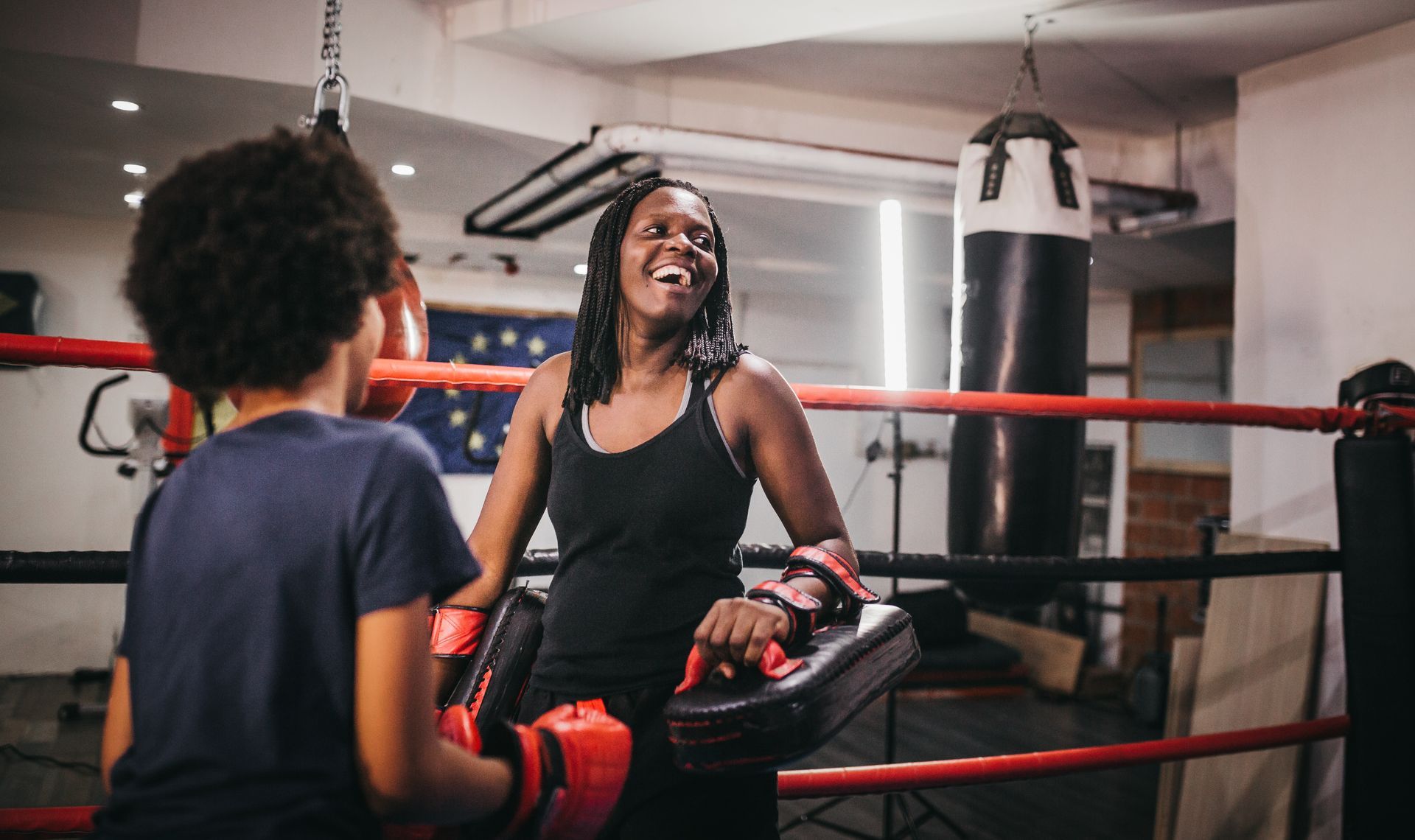
Walking into your first Muay Thai class can feel like stepping into unfamiliar territory. You may be wondering whether you need to be in shape already, whether everyone else will know what they are doing, or whether the pace will be too intense. A real beginner muay thai class review should answer those questions honestly, not just tell you that training is exciting.
For most beginners, the first surprise is that a good class does not feel chaotic or intimidating. It feels organized. There is a plan, a clear warm-up, direct coaching, and enough structure that you are not left guessing. That matters, especially if you are coming from a standard gym routine that never really held your attention or from no routine at all.
What a beginner Muay Thai class review should actually cover
A useful beginner Muay Thai class review is not just about whether the workout made you sweat. It should look at how the class is taught, how beginners are treated, and whether the training builds confidence instead of pressure. Those details shape whether someone sticks with the program long enough to see real progress.
The physical side is only one part of the experience. Yes, Muay Thai training is demanding. You will move, punch, kick, and use your whole body. But for a beginner, the bigger question is whether the class makes hard work feel approachable. That depends almost entirely on the coaching environment.
In a strong beginner class, instructors do not expect perfect technique on day one. They expect effort, attention, and willingness to learn. That creates a very different feeling from an ego-driven room where people are trying to prove themselves.
First impressions: structured, not overwhelming
Most first classes begin with movement prep and conditioning. Expect a warm-up that raises your heart rate and wakes up muscles you may not use much in daily life. You might do light cardio, stance work, shadowboxing, or bodyweight drills. For a beginner, this part can feel challenging, but it usually signals something positive - the class is preparing you properly instead of throwing you into techniques cold.
After the warm-up, beginners are usually introduced to basic stance, guard position, and a few foundational strikes. That might mean learning how to stand balanced, how to throw a jab and cross, or how to deliver a basic kick with control. These details seem simple, but they are the base of everything that comes later.
A good instructor-led class breaks movements into manageable pieces. You are not expected to absorb everything at once. The goal is to build habits safely and correctly. That patient, disciplined approach is often what makes beginners feel comfortable returning for class two, then class three, and then beyond.
The pace can be tough, but it should still feel doable
Here is the honest part of any beginner muay thai class review: you will probably get tired faster than you expect. Muay Thai uses the legs, core, shoulders, and cardio system all at once. Even fit people are often surprised by how different martial arts conditioning feels compared with running or lifting.
That said, hard does not have to mean discouraging. In a well-run class, the pace pushes you without making you feel lost. Coaches give corrections, encouragement, and simple adjustments so you can keep moving. You may need water breaks. You may need to reset your form. That is normal.
The best beginner experience is not one where class feels easy. It is one where you leave tired but capable, challenged but not defeated.
Technique matters more than looking impressive
One of the strongest signs of a quality class is that technique gets more attention than flash. Beginners do not need advanced combinations right away. They need balance, timing, coordination, and the discipline to repeat fundamentals correctly.
This is where Muay Thai becomes more than just a workout. When you are taught how to move with intention, every strike has a purpose. Your guard stays active. Your feet matter. Your posture matters. Even your breathing matters. That kind of instruction develops body awareness in a way many fitness programs never do.
It also makes training safer. Beginners are at their best when they learn control first. Power can come later. Speed can come later. Confidence grows faster when the foundation is solid.
Is it intimidating for complete beginners?
It depends on the school culture. Muay Thai itself is not the problem. Poorly managed environments are. If the room is built around respect, humility, and guidance, beginners usually adjust quickly. If the room rewards showing off, beginners often feel out of place.
That is why class culture matters as much as curriculum. A supportive training environment gives you permission to be new. It lets you ask questions. It lets you make mistakes and improve. For many adults, especially busy professionals who are trying something outside their comfort zone, that support is what turns curiosity into commitment.
At a school like NY Best Kickboxing, that structure matters because it gives students a place to train seriously without the pressure of a fight-first mentality. For someone looking for fitness, self-defense, and personal growth, that balance can make all the difference.
The fitness benefits show up quickly
Even after a few classes, most beginners notice changes. You feel your endurance being tested. Your coordination improves. Your hips and shoulders start loosening up. You become more aware of your posture and your balance.
Muay Thai training is especially appealing to people who are bored with repetitive gym workouts because it keeps the mind engaged. You are not just counting reps. You are learning skills while training your whole body. That makes consistency easier for many people.
There is a trade-off, though. Because the training is skill-based, progress may feel different from a basic fitness class. You are not only chasing calories burned. You are also working on precision and control. Some days you may feel stronger. Other days you may simply feel sharper. Both are progress.
Self-defense confidence without false bravado
A beginner class should also help you understand why Muay Thai is respected as a practical striking art. You learn how to generate force, maintain balance, protect yourself, and stay composed under pressure. Those are valuable skills.
But a responsible class does not sell fantasy. One or two classes will not turn anyone into an expert. Real confidence comes from repetition, coaching, and steady progress. The benefit for beginners is that training starts changing your mindset early. You carry yourself differently when you know how to stand with awareness, respond with discipline, and stay calm while learning something demanding.
That kind of confidence is more grounded than aggression. It is the confidence that comes from preparation, not posturing.
What beginners usually like most
Many first-time students expect to enjoy the physical workout. What often surprises them is how much they appreciate the mental reset. A Muay Thai class asks for your full attention. You are focused on movement, timing, and instruction. That can be a welcome break from work stress, phone notifications, and the mental clutter of city life.
Beginners also tend to value the sense of progress. Even small improvements feel meaningful. A cleaner jab, a better stance, a stronger kick - these are tangible wins. They remind you that growth is earned one class at a time.
The community side matters too. In a respectful school, people train with seriousness but without ego. That creates accountability. You show up not just because you should exercise, but because you want to keep building something.
What can be hard at first
A fair review should admit that beginner Muay Thai is not effortless. Your coordination may feel awkward. Your conditioning may be tested. You may need time to get comfortable with the rhythm of combinations or the physical demands of repeated drills.
That learning curve is normal. It does not mean you are behind. In fact, it is often part of what makes the training rewarding. You are developing skill through discipline, not instant success.
The key is to choose a class that meets beginners where they are. Good instruction can make a demanding practice feel accessible. Bad instruction can make even simple material feel frustrating.
Is a beginner Muay Thai class worth it?
If you want a workout alone, there are easier options. If you want structure, challenge, real coaching, and a sense that you are developing both fitness and character, Muay Thai offers something deeper.
A strong beginner class gives you more than sweat. It gives you a disciplined environment, practical skill-building, and a reason to stay consistent. You do not need to arrive in top shape. You do not need experience. You need the willingness to learn and the patience to improve.
That is what makes the first class so valuable. It is not a test of whether you already belong. It is the start of becoming stronger, steadier, and more confident through training that asks something real from you.