
Workout Classes With Self Defense That Work
Learn More About Our Self Defense Training
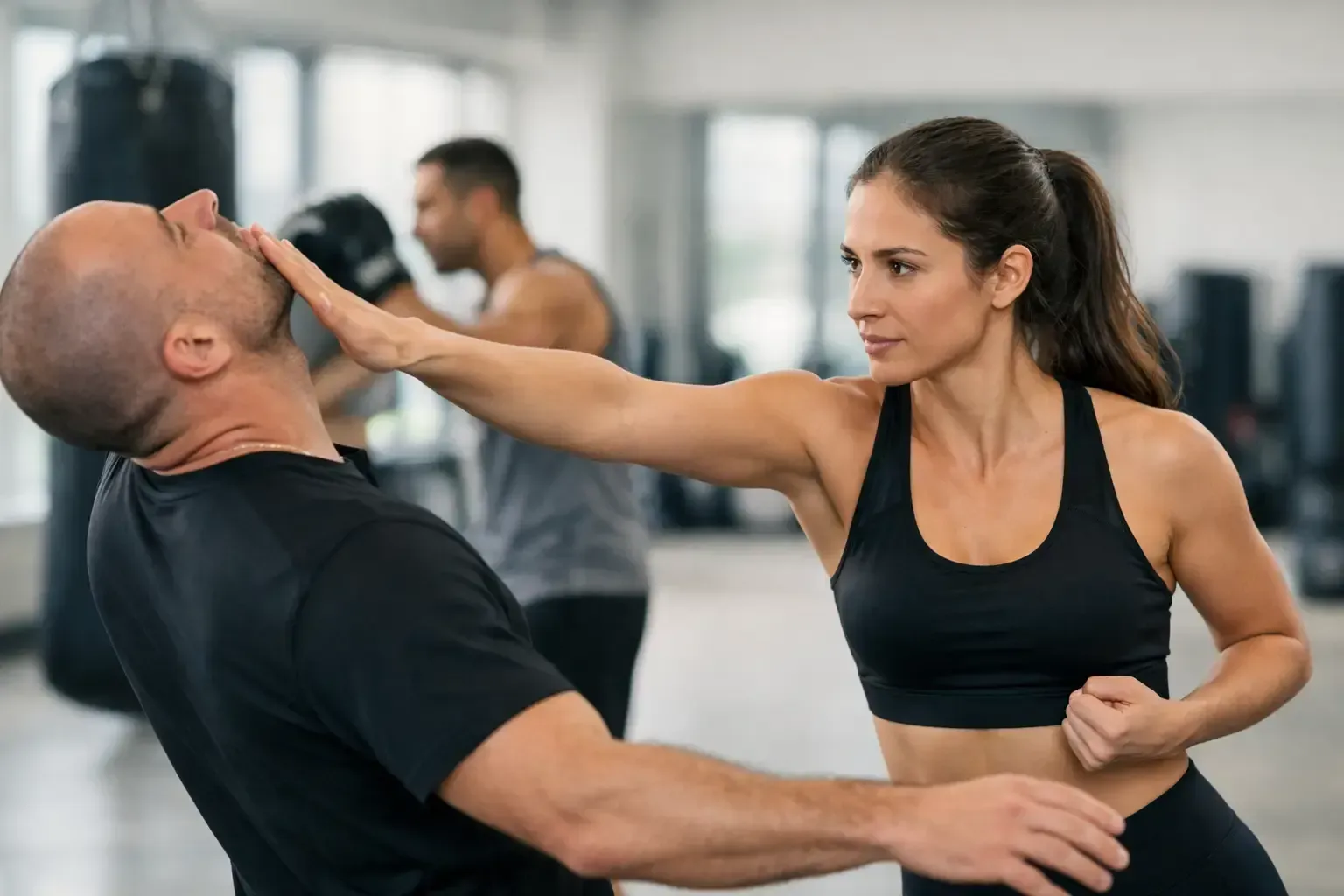
If your workout routine keeps falling apart after a few weeks, the problem may not be your discipline. It may be the workout itself. Many people do better with workout classes with self defense because the training has a purpose. You are not just burning calories or checking off a gym visit. You are building strength, learning how to move under pressure, and gaining skills that can make you feel more capable in everyday life.
That difference matters. When exercise feels meaningful, people tend to stay with it. For busy adults, teens, and even parents looking at programs for their children, self-defense-based training offers something a treadmill usually does not - structure, accountability, and progress you can feel beyond the scale.
Why workout classes with self defense feel different
A standard fitness class can absolutely improve conditioning. But many of them focus on repetition without much connection to real-life movement. Classes that include self-defense tend to ask more of you in a good way. You are learning footwork, balance, timing, coordination, and controlled power, all while getting a serious full-body workout.
That combination changes the experience. Instead of zoning out through another round of random exercises, you stay mentally engaged. You have to pay attention, respond to instruction, and improve technique over time. For a lot of people, that makes training more sustainable.
There is also a confidence piece that should not be overlooked. Feeling stronger is valuable. Feeling stronger and more prepared is even better. Self-defense training, when taught in a structured and responsible setting, can help students become more aware, more composed, and less intimidated by stressful situations.
What you actually get from this kind of training
The fitness benefits are real. These classes can improve cardiovascular endurance, core strength, mobility, coordination, and muscular stamina. Punching, kicking, defensive movement, stance work, and pad drills use the whole body. Over time, students often notice better posture, faster reflexes, and more control over their movement.
But the deeper value is often consistency. People are more likely to keep showing up when every class teaches them something. That sense of progress matters, especially for beginners who have struggled with motivation in traditional gyms.
This is also one of the biggest reasons teens and adults are drawn to martial-arts-based fitness. It gives you a system. You are not walking into a crowded gym and guessing what to do. You are following a coach, training with intention, and developing skills step by step.
The best workout classes with self defense are structured, not chaotic
Not every class marketed as self-defense is equally useful. Some are mostly cardio with a few punches thrown in for excitement. Others lean too far into intensity without enough coaching, which can be discouraging for beginners and risky for anyone returning to exercise.
The best programs are structured. They teach proper technique, explain why movements matter, and build students up gradually. That means a beginner should be able to walk in, learn the basics, and feel challenged without feeling lost.
This is where instructor quality matters. A strong coach does more than lead a hard workout. They create an environment where students can focus, improve, and train safely. They correct form, encourage discipline, and help each person progress at the right pace.
A good self-defense fitness class should leave you tired, but not confused. It should push you, but not overwhelm you. And it should make you feel more in control, not more intimidated.
Who benefits most from these classes
Adults who are tired of ordinary gym routines often do very well in this setting. If you need a reason to stay engaged, skill-based training can be the difference between quitting and building a habit. Professionals with long workdays also tend to appreciate classes that combine stress relief, conditioning, and practical value in one session.
Teens benefit for a slightly different reason. They are not just working out. They are learning discipline, body awareness, and self-control. In the right training environment, martial arts fitness can build maturity along with strength.
Parents often look for programs that do more than just keep kids active. For younger students, classes rooted in martial arts and self-defense can support focus, respect, teamwork, and confidence. The physical side matters, but the personal development side is often what makes parents stay.
What to expect in a first class
Most beginners worry about the same things. Will I be out of shape? Will I be the only new person? Will it feel too aggressive? In a well-run class, those concerns are addressed quickly.
A first session usually starts with a warm-up that prepares the body for movement, followed by basic stance, striking, footwork, or defensive drills. You may work with pads, practice combinations, and finish with conditioning that raises your heart rate. The pace can be demanding, but a good instructor will give clear direction and keep the class organized.
You do not need to be athletic to begin. You need to be coachable and willing to learn. That mindset matters more than experience.
It is also worth saying that effective self-defense training is not about acting fearless or trying to dominate other people. The real goal is control - control of your body, your breathing, your reactions, and your decision-making.
Fitness and self-defense are related, but they are not identical
This is an important distinction. A class can be a great workout without offering much practical self-defense value. On the other hand, a highly technical self-defense seminar may teach useful concepts without giving you enough repetition to improve your conditioning.
The strongest programs blend both. They help you get fitter while also teaching habits and movements that carry over into real situations. That might include distance management, balance, awareness, defensive positioning, and striking mechanics. It should also include the discipline to avoid panic and think clearly.
There is always a trade-off. If your main goal is maximum calorie burn, a pure conditioning class may feel faster-paced. If your main goal is detailed self-protection tactics, some sessions may spend more time on technique than on nonstop movement. The sweet spot depends on what you want, but many students are looking for both fitness and practical value, not one or the other.
Why the training environment matters so much
People often assume martial arts spaces are intense, competitive, or ego-driven. Some are. That is exactly why choosing the right school matters.
A supportive training culture makes a huge difference, especially for beginners. Students improve faster when they feel respected and guided. They are also more likely to stay consistent when the environment is disciplined without being hostile.
That balance is one reason many people in New York City look for instructor-led programs instead of trying to piece together workouts on their own. At a school like NY Best Kickboxing, the value is not just in learning how to punch or kick. It is in training in a setting where progress, character, and safety are taken seriously.
How to choose the right class for your goals
Start by being honest about what you want. If you mainly want stress relief and fitness, a kickboxing-based class may be a strong fit. If you want a broader martial arts foundation, you may prefer a program that includes traditional skill development along with conditioning. If you are looking for a child or teen, focus on coaching style, structure, and the values taught in class.
It also helps to pay attention to how a school talks about training. If the message is all ego, toughness, and domination, that tells you something. If the message is growth, discipline, confidence, and guidance, that usually reflects a healthier culture.
The right class should challenge you without making you feel like you have to prove yourself on day one. Real progress comes from consistent practice, not from trying to win the first workout.
The real result is bigger than fitness
People often sign up because they want to lose weight, get in shape, or feel safer. Those are good reasons. But many stay because the training starts changing other parts of life too.
You may carry yourself differently. You may handle stress better. You may become more disciplined about showing up, even on days when motivation is low. That is one of the most valuable things about workout classes with self defense. They do not just train the body. They train habits, mindset, and confidence in a way that feels earned.
If you have been looking for a workout that gives you more than sweat, this may be the kind of training that finally sticks.
CHECK OUT OUR SEMINAR SCHEDULE - Seminars held in New York City!