How to Choose Self Defense Classes for Adults
Our next self defense seminar is coming September 2026
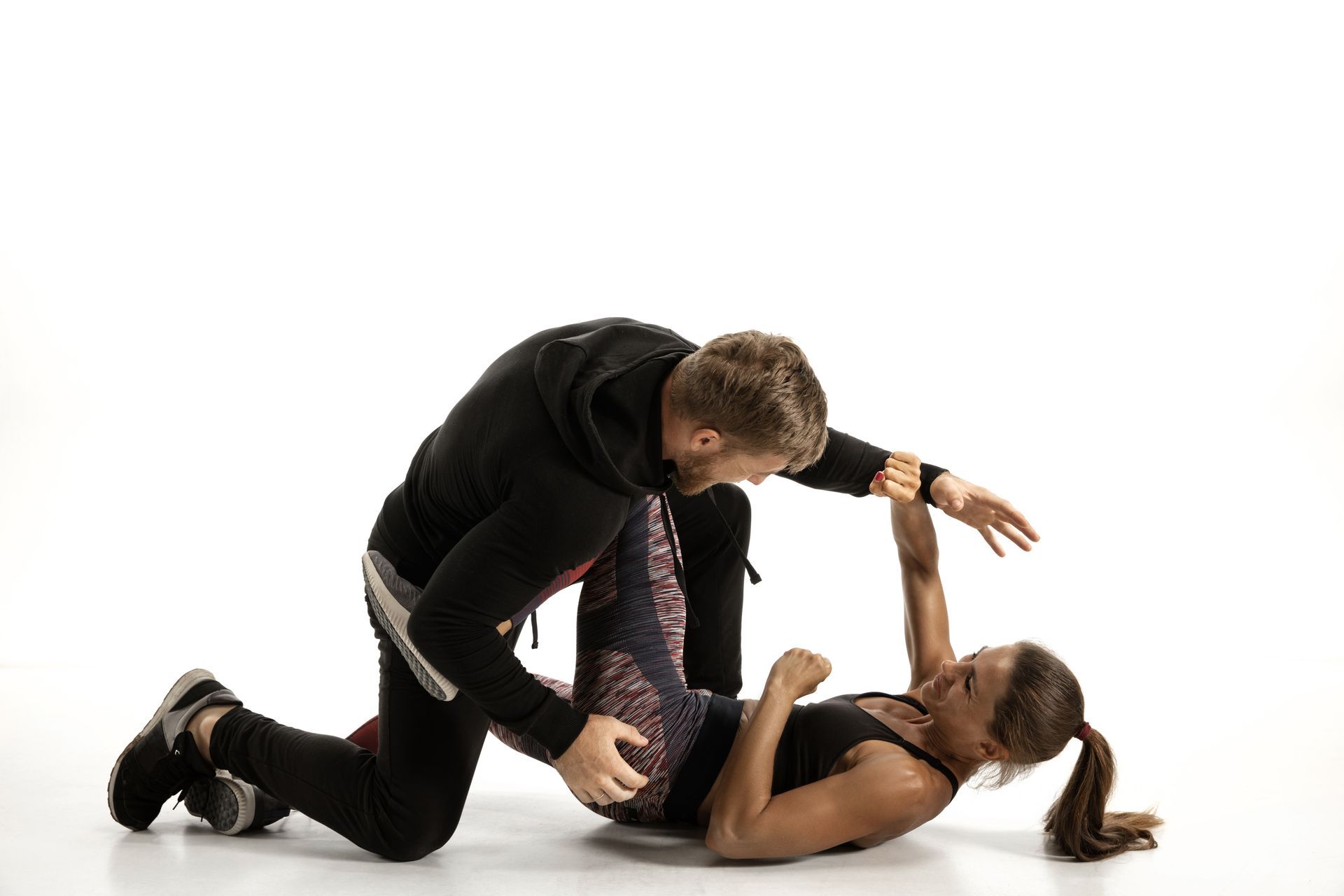
The first class usually starts the same way. Someone walks in a little unsure, glances around the room, and wonders if they belong there. They may want better fitness. They may want more confidence on the street or on the subway. They may simply be tired of workouts that never stick. That is exactly why self defense classes for adults matter. Done well, they give you practical skills, stronger conditioning, and a level of self-control that carries into the rest of your life.
Not every program delivers that experience. Some classes lean too far into intimidation. Others feel like cardio with a few punches added in. If your goal is real progress, it helps to know what to look for before you commit your time and energy.
What adults should get from self defense training
A strong adult self-defense program should do more than teach a few techniques. It should help you become more aware, more composed, and more capable under pressure. That takes structure.
For most adults, especially beginners, the best training starts with fundamentals. You learn how to move with balance, how to protect your posture, how to strike with control, and how to react without panicking. Those basics may sound simple, but they are what make higher-level skills possible later.
There is also a fitness component that should not be overlooked. Good training improves endurance, coordination, strength, and mobility at the same time. That matters because self-defense is not just about knowing what to do. It is also about having the physical ability to do it when your heart rate rises and your focus is tested.
Just as important, adults need a setting that is serious without being ego-driven. A class can be disciplined and still feel welcoming. In fact, that balance is often what keeps students consistent.
The best self defense classes for adults are structured
When people search for the best self defense classes for adults, they often focus on style first. They ask whether kickboxing, Muay Thai, kung fu, or another system is best. The better question is whether the class is taught in a way adults can actually learn.
A structured class has a clear progression. Beginners are not thrown into advanced drills on day one. Instructors explain why a movement works, correct mistakes early, and build skills in layers. That kind of teaching protects students from injury and helps them improve faster.
Structure also creates accountability. If you are a busy professional balancing work, family, and everything else, you do not need another activity that feels random. You need training that gives you a reason to come back, track progress, and keep pushing forward even when motivation dips.
This is one reason martial arts schools often offer more lasting value than a standard gym. A treadmill will not correct your stance. A heavy bag workout on your own will not teach distance, timing, or composure. In a guided class, the coaching is part of the result.
What to look for before you sign up
The right school should make you feel challenged, not overwhelmed. That difference matters.
Start with the teaching environment. Is the class beginner-friendly, or does it seem designed only for people who already know what they are doing? Adults new to martial arts need clear instruction and patience, not pressure to perform. A good instructor can raise standards without making students feel out of place.
Next, look at how the school talks about self-defense. Real training is not built on fantasy. It should emphasize awareness, positioning, timing, and controlled responses. If every message revolves around dominating opponents or proving toughness, that is usually a red flag. Strong schools teach confidence with humility.
Pay attention to the class culture as well. The best communities are supportive and disciplined. Students work hard, but they also respect each other. For many adults, especially those returning to exercise after years away, that atmosphere makes the difference between quitting after two weeks and staying long enough to change their habits.
Finally, consider whether the training matches your goals. Some adults want practical self-defense with full-body conditioning. Others are more motivated by stress relief, weight loss, or improved focus. A quality program can serve more than one purpose, but it should still be clear about what it offers.
Why fitness matters in self-defense
People sometimes separate self-defense from fitness as if they are two different goals. In reality, they support each other.
If your stamina fades quickly, your decision-making often goes with it. If your balance is weak, your technique breaks down. If your body is not conditioned, even simple drills can feel harder than they should. That does not mean you need to be in shape before you start. It means training should help you build usable fitness while you learn skills.
This is where programs rooted in striking arts can be especially effective. Kickboxing, Muay Thai, and related training methods develop footwork, core strength, coordination, and reaction time. You are not just burning calories. You are learning how to move with purpose.
For adults who are bored with conventional workouts, this can be the turning point. Training feels more engaging because there is a skill to improve, not just reps to finish. That sense of progress helps consistency, and consistency is where confidence really starts.
Self defense classes for adults should build confidence, not fear
Some people avoid training because they assume they will be embarrassed, pushed too hard, or surrounded by aggressive personalities. That fear is understandable, but it usually comes from the wrong image of martial arts.
The right self defense classes for adults are not about turning people into fighters for the sake of fighting. They are about helping ordinary adults become calmer, stronger, and more prepared. Confidence grows when you know how to stand, move, and respond. It also grows when you prove to yourself that you can learn something difficult.
That process changes more than physical ability. Students often notice better posture, more focus at work, and a stronger sense of discipline in daily routines. Training teaches you to stay present, listen to instruction, and improve through repetition. Those lessons carry well beyond the gym floor.
There is also value in the emotional side of class. Hitting pads, sharpening technique, and working through a tough round can be deeply relieving after a long day. For many adults, training becomes one of the few places where they can fully concentrate, release stress, and feel grounded again.
It depends on the school, not just the style
No single martial art is automatically right for every adult. It depends on your goals, your current fitness level, and the quality of the instruction.
If you want high-energy conditioning with practical striking, kickboxing-based training may be a strong fit. If you want more emphasis on traditional discipline and technical development, a kung fu program may appeal to you. If you want a harder striking system with a demanding physical edge, Muay Thai can be excellent. What matters most is that the school teaches in a safe, progressive, and accessible way.
This is especially important in a city environment, where people often want training that feels practical without becoming another source of stress. A well-run school gives you intensity with control. It pushes you, but it does not rely on chaos to create the feeling of toughness.
That is one reason many adults in New York look for instructor-led classes instead of trying to piece everything together alone. A good school offers guidance, consistency, and a community that keeps you moving forward. At NY Best Kickboxing, that balance of discipline, fitness, and supportive coaching is exactly what helps beginners become long-term students.
How to know you found the right fit
You do not need to feel perfect in your first class. You should expect to feel challenged. You may even feel awkward at first. What you should not feel is dismissed, unsafe, or lost.
The right class leaves you tired but encouraged. You understand what you practiced. You know what to improve next time. You can picture yourself coming back.
That feeling matters because self-defense is not built in one session. It is built through repetition, guidance, and steady progress. Over time, your movements sharpen, your conditioning improves, and your confidence becomes more natural. The goal is not to become someone else. It is to become more capable as yourself.
If you have been putting off training because you think you need to be fitter, tougher, or more experienced first, that is usually the sign to begin now. A strong program meets you where you are, then gives you the structure to grow. The best class is the one that helps you walk in uncertain and leave more steady than when you arrived.