
Martial Arts Classes for Teens That Build More
Martial arts classes for teens build confidence, fitness, discipline, and self-defense skills in a structured, supportive training environment.
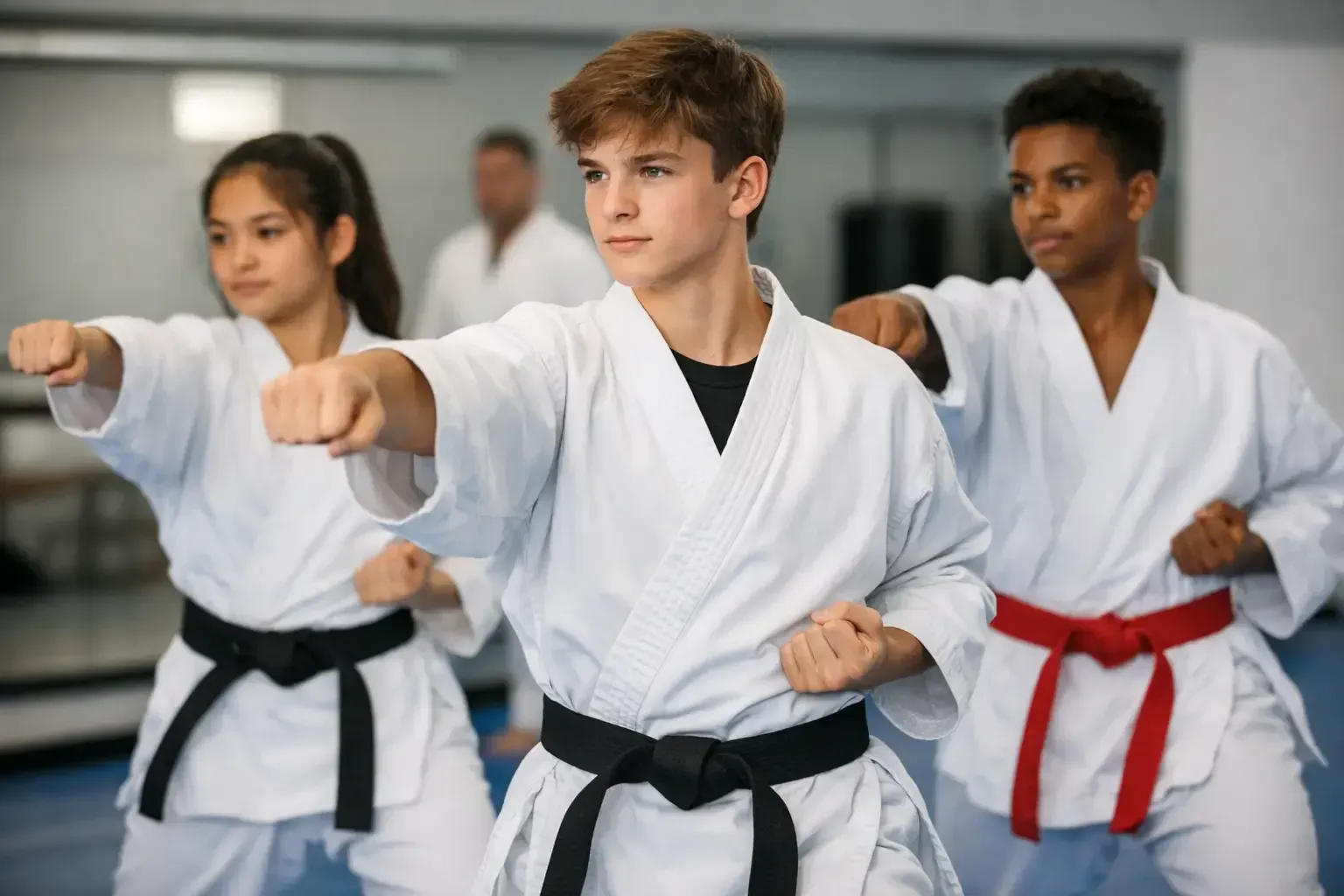
A lot of teens do not need another activity that just fills time. They need something that challenges them, gives them direction, and helps them feel stronger in their own skin. That is why martial arts classes for teens stand out. When the training is structured well, it does more than improve fitness. It teaches discipline, self-control, confidence, and how to handle pressure without falling apart.
For some teens, that starts with wanting to get in better shape. For others, it is about learning practical self-defense or finding a place where effort actually matters. Parents often see the bigger picture quickly. A strong martial arts program gives teenagers a productive outlet, clear expectations, and coaches who push them to grow with respect.
Why martial arts classes for teens work so well
Teen years can be messy. Energy is high, confidence can swing from one extreme to the other, and motivation is often inconsistent. Martial arts gives all of that a place to go. Instead of asking teens to sit still and stay focused in another passive environment, training asks them to move, think, listen, and respond.
That combination matters. A good class is physical, but it is also mental. Students have to follow instruction, control their emotions, stay aware of their surroundings, and keep working when something feels difficult. Over time, that creates a kind of confidence that feels earned, not performed.
There is also a difference between confidence and hype. Some activities encourage teens to look tough. Martial arts, when taught with the right values, teaches them to become steady. That means better posture, better decision-making, and less need to prove themselves in the wrong situations.
What teens actually gain from training
The first change many families notice is physical. Teens move better, build stamina, and develop strength that carries into daily life. They are not just exercising for the sake of burning energy. They are training with purpose, which tends to keep them more engaged than a standard workout.
But the deeper benefits usually show up outside class. Teens who train consistently often become more disciplined with routines, more respectful in how they carry themselves, and more resilient when they face setbacks. They learn that progress takes repetition. They also learn that frustration is part of improvement, not a reason to quit.
Self-defense is another major reason families look into martial arts. That interest is valid, but it helps to be realistic. No class can promise that a teen will handle every dangerous situation perfectly. What strong instruction can do is improve awareness, reaction time, boundaries, and the ability to stay calm under stress. Those skills matter just as much as technique.
The right program is about culture, not just curriculum
Not every teen needs the same type of training environment. Some thrive in a high-energy class with intense conditioning. Others need a program that builds them up gradually so they do not shut down early. That is why culture matters as much as the martial art itself.
A healthy program should feel structured, not chaotic. Teens should know what is expected of them. Instructors should be firm, encouraging, and fully in control of the room. There should be a clear sense of respect between coaches and students, and between students themselves.
This is especially important for beginners. Many teens are curious about martial arts but worry they will look awkward, fall behind, or get thrown into an aggressive environment. Good instruction removes that barrier. It makes training accessible without watering it down.
A non-competitive atmosphere can be a strong fit for many teenagers, especially those who want real progress without the pressure of fight culture. They still work hard. They still get pushed. But the goal is development, not ego.
Choosing the best martial arts classes for teens
The best fit depends on the teen. A student who wants striking, conditioning, and practical self-defense may respond well to kickboxing, Muay Thai, or San Da-based training. A teen who needs focus, coordination, and a strong sense of tradition may connect more with Kung Fu. What matters most is not picking the trendiest option. It is choosing a program that matches the student’s goals, maturity, and comfort level.
Parents should pay attention to how the class is run. Are instructors teaching, correcting, and engaging students directly? Is the class organized from start to finish? Are students challenged in a way that looks safe and purposeful? Those details tell you more than flashy marketing ever will.
Teens should also pay attention to how they feel in the room. A good class should feel demanding but not hostile. It should be serious enough to build discipline and welcoming enough to make a beginner want to come back next week.
In a city like New York, where schedules are packed and distractions are endless, that kind of environment can make a real difference. It gives teens a place to reset, focus, and put their energy into something that builds them rather than drains them.
What a quality teen martial arts class should include
Strong classes usually blend conditioning, technical instruction, drills, and partner work in a way that keeps students engaged. Teens should be learning skills, not just getting tired. Conditioning has value, but if a class feels like random exercise with a martial arts label, families should ask more questions.
There should also be progression. Teens stay motivated when they can see what they are working toward. That could be sharper technique, improved endurance, stronger discipline, or increased confidence during drills. Progress does not need to be rushed, but it should be visible.
Safety is another non-negotiable. Real martial arts training should challenge students, but it should also be supervised carefully. Good coaches know how to push teens without creating reckless situations. That balance is a sign of experience and professionalism.
What parents and teens should expect in the first few weeks
The beginning is usually a mix of excitement and discomfort. That is normal. Teens may feel energized after one class and sore after the next. They may pick up some skills quickly and struggle with others. The important thing is consistency.
In the first few weeks, the biggest wins are often simple. Showing up on time. Following instruction. Staying focused for the full class. Getting through conditioning without giving up. These habits build the foundation for everything else.
Parents should not expect instant transformation, and teens should not expect perfection. Martial arts rewards effort over time. The students who benefit most are not always the most naturally athletic. Often, they are the ones who keep showing up, stay coachable, and learn how to work through discomfort.
Why this training carries into everyday life
The value of martial arts is not limited to the training floor. Teens carry it into school, social situations, and daily stress. They learn how to stay composed, how to respond instead of react, and how to handle challenge without collapsing into self-doubt.
That matters for fitness, but it also matters for character. Discipline is not just about doing push-ups or practicing combinations. It is about learning responsibility. Respect is not just bowing or following rules in class. It is about how teens treat other people when nobody is reminding them what to do.
That is one reason so many families are drawn to schools that teach the whole person. At NY Best Kickboxing, the focus is not just on physical output. It is on helping students become stronger, more confident, and more grounded through structured training and steady guidance.
For teens, that kind of growth can be hard to find in programs built only around competition or entertainment. Martial arts asks more from them. In return, it gives them something real.
If you are considering training, look past the surface. Look for a class that teaches skill, builds discipline, and helps teens grow with confidence and humility. The right program will not just keep them busy. It will give them a stronger way to move through life.
Get more information on our programs and special trial offers!