
What a Fitness Kickboxing Workout Really Does
What a Fitness Kickboxing Workout Really Does
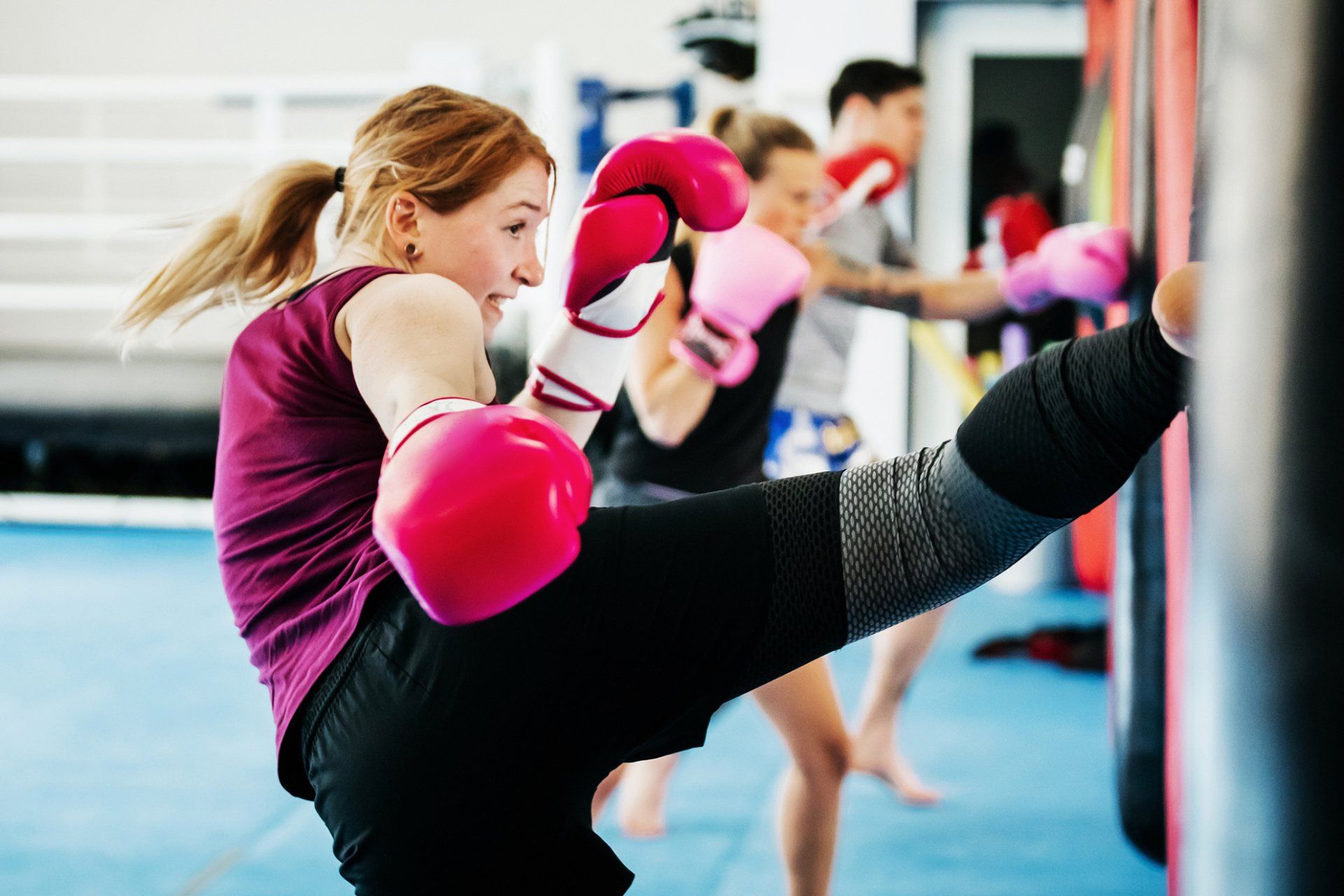
Most workouts lose people in the same place - right after the first burst of motivation fades. The reason a fitness kickboxing workout keeps so many people consistent is simple: it gives you a job to do. You are not wandering from machine to machine or guessing what comes next. You are learning how to move with purpose, training your whole body, and leaving class feeling like your effort meant something.
That difference matters, especially for adults and teens who want more than calories burned on a screen. A good class does not just make you sweat. It gives structure, coaching, and a clear sense of progress. For many beginners, that is the missing piece.
Why a fitness kickboxing workout feels different
There is a reason people who get bored in traditional gyms often connect with kickboxing right away. The training is active, focused, and mentally engaging. Instead of repeating the same isolated movements, you are working through combinations, footwork, defense, and conditioning in a way that keeps your attention.
You feel that difference almost immediately. Your heart rate climbs, your shoulders and core switch on, your legs stay involved, and your mind has to stay present. Throwing punches and kicks with control takes coordination. Moving between drills takes discipline. Following instruction under fatigue builds a kind of mental toughness that steady-state cardio usually does not touch.
That does not mean every class is extreme or only for advanced athletes. In fact, the best programs are the opposite. They are structured so beginners can step in safely, learn proper form, and build skill over time. The challenge is real, but it is guided.
The real benefits go beyond cardio
People often come in for fitness and stay for everything else. Yes, a fitness kickboxing workout can improve endurance and help with weight loss when paired with consistent habits. It also develops strength in areas many people neglect, especially the core, shoulders, hips, and legs.
But the deeper benefits usually show up outside class.
You become more aware of posture and balance. You start moving with more confidence. Stress has somewhere productive to go. There is also a strong psychological shift that comes from learning to stay composed while doing something demanding. That matters for busy professionals, students, and anyone trying to rebuild consistency after falling out of a routine.
For some people, confidence grows because they finally find exercise they can stick with. For others, it comes from seeing their body become sharper, faster, and more capable. Either way, the result is bigger than a hard workout.
What happens in a well-structured class
A quality class should feel organized from start to finish. That sounds basic, but it makes a major difference in both safety and results.
Most sessions begin with a warm-up that prepares the joints and raises the heart rate without rushing into impact. From there, students usually work on basic strikes, combinations, movement, and conditioning. Depending on the format, you might hit pads or bags, practice controlled partner drills, or move through rounds that blend technique with fitness.
The strongest classes are not random. They build from simple to more demanding. You learn how to punch and kick with control before speed is emphasized. You learn stance and balance before intensity goes up. That order matters because it protects beginners from the common mistake of trying to train hard before they know how to move well.
Instructor feedback is also part of the value. A video can show you a jab. A coach can tell you why your shoulder is lifting, why your base feels unstable, or why your kick is losing power. That kind of correction helps you improve faster and reduces the chance of bad habits.
Fitness kickboxing workout results depend on how you train
One honest point that gets skipped too often: not all kickboxing-style workouts produce the same results.
Some classes are almost entirely cardio-based. They can be great for sweating, stress relief, and general conditioning, but they may not teach much about technique. Others lean more heavily into martial arts structure, where form, discipline, and controlled skill development are part of every session. That approach often creates better long-term progress because you are not only pushing harder. You are moving better.
It depends on your goal. If you only want variety and high energy, a lighter technical focus may be enough. If you want fitness, confidence, and practical striking fundamentals, instructor-led training with real structure is the better fit.
That is where many students find the sweet spot. They want a class that is accessible, but not watered down. Challenging, but not chaotic. Serious about progress, but still supportive.
Why beginners often do better here than in a regular gym
A lot of adults blame themselves for being inconsistent with exercise when the real issue is environment. Traditional gyms ask for a lot of self-direction. You need to decide what to do, how long to do it, whether your form is correct, and how to stay motivated when nobody notices if you show up or not.
Kickboxing classes remove much of that friction. There is a schedule. There is an instructor. There is a plan for the hour. You are training alongside other people who are working toward improvement too. That accountability helps, especially when life gets busy.
There is also less intimidation than people expect. In a supportive school setting, beginners are not judged for starting where they are. They are coached. That changes everything. Instead of trying to keep up with the fittest person in the room, you focus on your own progress with guidance.
For New Yorkers with packed days and limited time, that structure can be the difference between another abandoned gym membership and a routine that actually lasts.
The mindset piece is not extra
One of the most overlooked parts of kickboxing training is the discipline it builds. Good instruction teaches more than combinations. It teaches patience, control, and respect for the process.
That may sound old-school, but it has real value. People often come in wanting visible results fast. There is nothing wrong with that. Still, the students who progress the most are usually the ones who learn how to be consistent, coachable, and steady. They stop chasing perfect workouts and start building strong habits.
That mindset is especially important for teens and young adults. Physical training can become a place where they learn focus, self-control, and confidence through action, not lectures. For adults, it is often a way to reconnect with discipline in a practical, energizing setting.
At a school like NY Best Kickboxing, that balance between fitness and personal growth is part of what makes training meaningful. The workout matters. So does the character you build while doing it.
Who benefits most from this kind of training
A fitness kickboxing workout can work for a wide range of people, but it tends to be especially effective for those who want guidance and engagement.
If you are a beginner who feels out of place in gyms, this style of class gives you direction. If you are already active but bored with your routine, it adds challenge and skill. If stress is draining your energy, hitting pads or bags with good form can be a productive reset. And if confidence is part of your goal, there is something powerful about learning to move with control and intention.
It is also a strong choice for people who do not want an ego-driven environment. A non-competitive setting allows students to work hard without feeling pressured to perform for anyone else. That creates room for real progress.
Of course, expectations should stay realistic. You do not need to look athletic before you begin. You do not need prior martial arts experience. You do need patience, regular attendance, and a willingness to be coached.
What to look for before you join
If you are considering a class, pay attention to how the program is taught. Look for instruction that prioritizes form, progression, and safety. Notice whether the culture feels respectful. See if the coach explains movements clearly and gives corrections in a way that helps rather than embarrasses.
The right program should challenge you without throwing you into the deep end. You should leave tired, but also clearer about what you learned. That is a sign of training with purpose.
A strong workout should never come at the expense of control. When classes are all intensity and no guidance, people often hit a wall or pick up sloppy habits. Better training builds fitness and skill together.
The best part is that you do not need to have it all figured out before you start. You just need a place that takes your goals seriously and gives you a path to grow. Sometimes the first sign that a workout is right for you is simple: you finish class already knowing you want to come back.