
How Kids Martial Arts Classes Build Confidence
NYC's best martial arts classes for kids
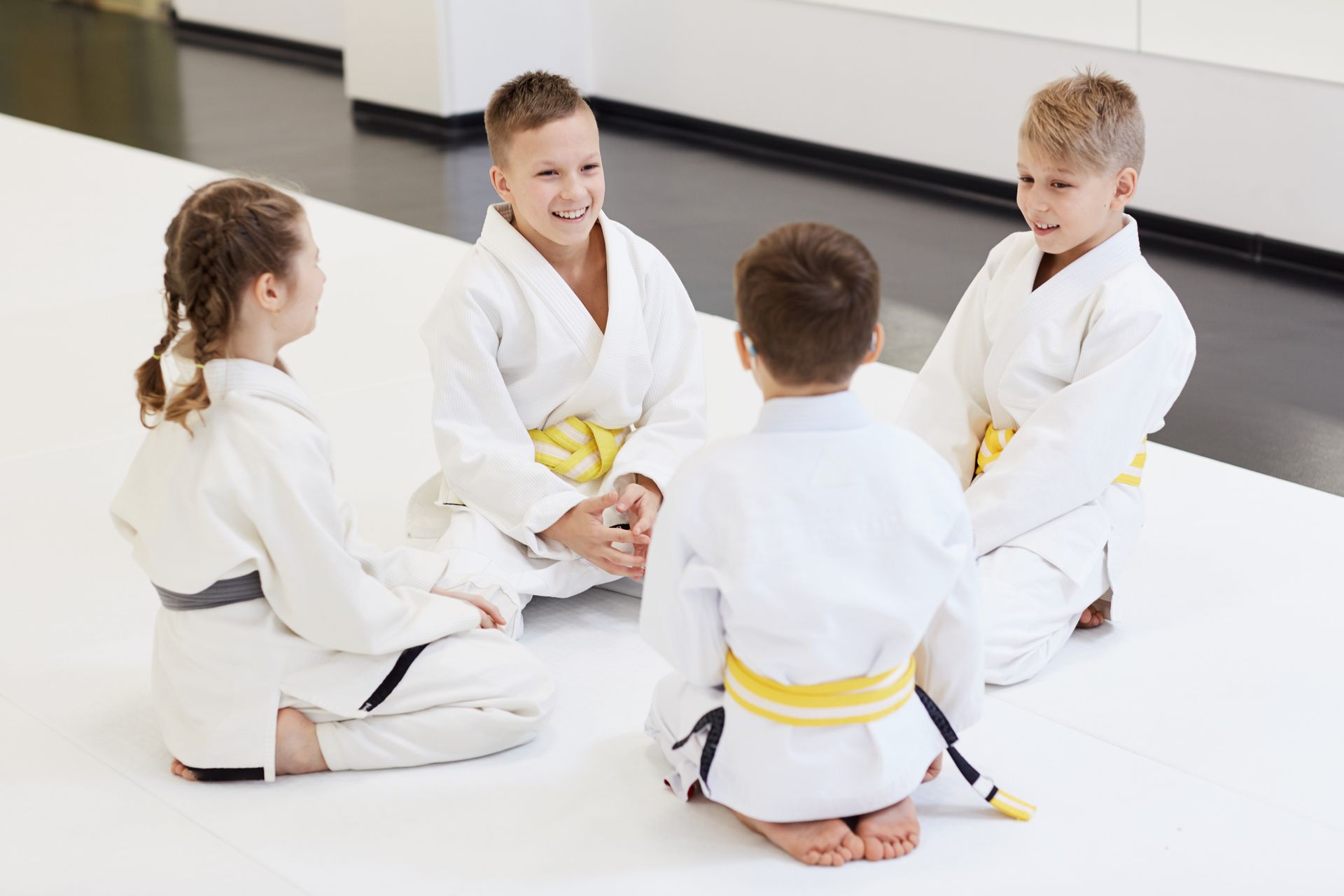
Some kids need a place to burn energy. Others need a place to feel stronger, more focused, and more sure of themselves. The best kids martial arts classes do all three at once, giving children a structured environment where they can move with purpose, learn respect, and grow through steady practice.
For parents in New York City, that matters. A good after-school activity should do more than fill time. It should help a child build habits that carry into the classroom, friendships, and daily life. Martial arts can do that when the program is taught with discipline, patience, and clear instruction.
What kids martial arts classes should really teach
A strong youth program is not about teaching kids to fight for the sake of fighting. It is about teaching them how to carry themselves. That starts with listening, following directions, staying calm under pressure, and learning how effort leads to progress.
When classes are structured well, kids begin to understand that confidence is not loud. It comes from repetition, improvement, and knowing they can handle challenges without panicking. That lesson shows up on the training floor, but it does not stay there.
Physical skills matter too. Children develop coordination, balance, agility, and body awareness. They also learn practical self-defense concepts in a supervised setting. But the deeper value is often in the mindset they build while training.
Why structure matters for kids ages 9 to 14
This age group is at an important stage. Kids are becoming more independent, but they still need guidance. They want to feel capable, yet many are dealing with distractions, changing social dynamics, and pressure at school. A structured martial arts class gives them something clear to work toward.
That structure can be especially helpful for kids who struggle with consistency. In a class setting, they learn that showing up matters. They learn to focus even when they feel restless. They learn to respect instructors, training partners, and the process itself.
Not every child responds to team sports in the same way. Some thrive in competition, while others shut down when the pressure gets too high. Martial arts offers a different path. Progress is personal. A child can work on discipline and confidence without feeling like they are being compared every second.
The benefits parents tend to notice first
Parents often sign up because they want their child to stay active, but they quickly notice changes that go beyond fitness. A child who was hesitant may start speaking more clearly. A child who was easily distracted may begin following instructions with more consistency. A child who lacked confidence may start standing taller.
That shift does not happen overnight. It comes from training in an environment where expectations are clear and encouragement is steady. Kids need both. Too much pressure can make them withdraw. Too little structure can make the class feel unfocused. The right balance helps them grow.
Fitness is still a major benefit. Martial arts classes give kids a full-body workout that feels engaging rather than repetitive. They move, react, practice technique, and build endurance without staring at a screen or going through the motions. For many families, that alone makes a difference.
Kids martial arts classes and character development
Character development is one of the biggest reasons families stay with martial arts. In a well-run program, respect is not just something said at the beginning of class. It is built into the way students train.
Kids learn how to wait their turn, control their emotions, and respond to correction without giving up. They learn humility by making mistakes and trying again. They learn leadership by setting a good example for newer students. Those are life skills, not just training habits.
This is also where the culture of the school matters. Some programs lean too hard into aggression or image. That may look exciting from the outside, but it is not always what a child needs. A better approach is one that treats martial arts as a path for self-improvement. Discipline should feel steady and supportive, not intimidating.
What to look for in a program
If you are comparing options, pay close attention to how the class is taught. The instructor should be in control of the room without relying on fear or chaos. Kids should know what is expected of them, and the class should have a clear flow from warm-up to drills to technique practice.
You also want a program that takes safety seriously. That includes supervised instruction, age-appropriate training, and a culture where control matters. Martial arts should challenge kids, but challenge is not the same as recklessness.
Another factor is whether the school focuses only on performance or on personal growth as well. Some children are highly athletic from the start. Others are beginners who need time to build coordination and confidence. A strong program can work with both. It does not reward only the loudest or fastest student in the room.
For families in the city, convenience matters too. If getting to class becomes a constant struggle, consistency usually suffers. The best choice is often the one that combines quality instruction with a schedule and location your family can actually maintain.
Why non-competitive training works for many families
Competition has value, but it is not the only way to grow. For many children, a non-competitive martial arts environment creates the right foundation. It allows them to focus on improvement without the stress of constant comparison.
That can be especially important for beginners or for kids who are still learning how to manage frustration. When the focus stays on progress, effort, and self-control, students are more likely to stick with training long enough to see real change.
A non-competitive setting does not mean training is easy. It means the standards are directed toward discipline, technique, and mindset rather than trophies. Kids still work hard. They still face challenges. They just do it in an environment that supports long-term development.
How martial arts helps outside the classroom
One of the strongest signs of a good program is that the benefits begin to show up at home and at school. A child who trains consistently often becomes better at handling frustration. They may listen more carefully, stay calmer in stressful moments, or approach difficult tasks with more patience.
That happens because martial arts teaches a simple but powerful lesson - discomfort is not the same as defeat. Kids learn that they can be corrected, challenged, and pushed without falling apart. Over time, that resilience becomes part of how they handle everyday life.
There is also the social side. Training with others teaches teamwork, awareness, and mutual respect. Even though martial arts is personal, no one improves alone. Kids learn how to support classmates, work with partners, and be responsible for their own conduct.
Finding the right fit in New York City
In a city with plenty of after-school options, parents need something that feels worth the time and commitment. The right martial arts school should offer more than activity. It should offer direction.
That means expert instruction, a safe and supportive culture, and a clear sense that each class is helping students become stronger in more than one way. At NY Best Kickboxing, that approach matters. Kids ages 9 to 14 benefit most when training is guided with purpose, taught with discipline, and centered on growth rather than ego.
Not every child will walk into their first class feeling confident. Some will be shy. Some will be hyper. Some will test boundaries. That is normal. What matters is whether the program can meet them where they are and help them move forward.
The right class gives kids a place to work hard, stay accountable, and feel proud of progress they have earned. For many families, that becomes more than an after-school activity. It becomes part of how a child learns to stand stronger in every part of life.
If you are considering martial arts for your child, look past the uniforms and kicks for a moment. Look at the teaching, the structure, and the values in the room. Those are the things that shape what your child takes with them long after class ends.