Kung Fu Conditioning Exercises That Build Power
Mind, Body, and Spirit are Trained in Kung Fu Class
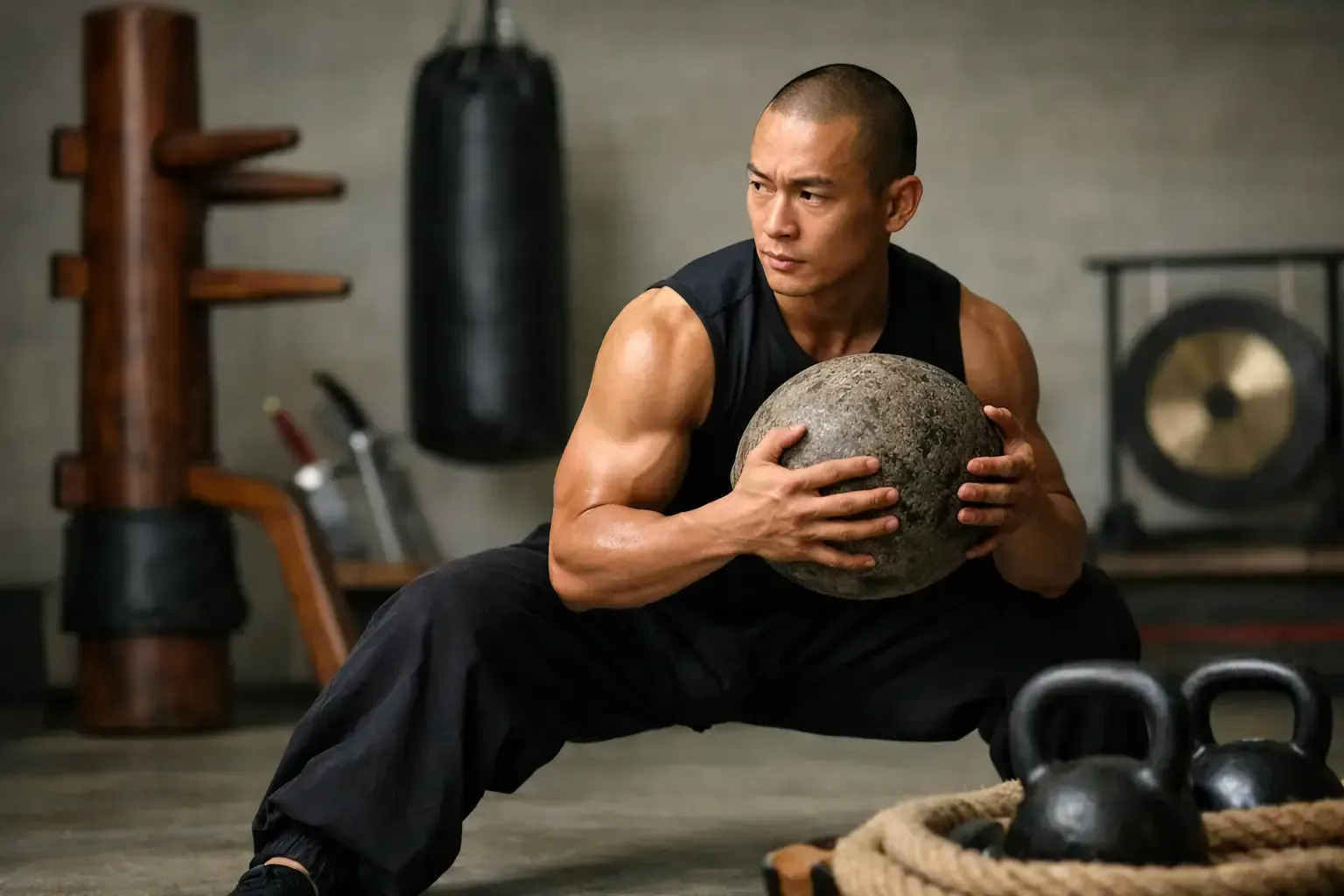
A lot of people come to kung fu for the striking, the forms, or the self-defense side of training. Then they realize something fast - none of that works well without the physical foundation underneath it. Kung fu conditioning exercises are what help techniques feel sharper, stances feel stronger, and movement stay controlled when fatigue starts to set in.
That matters whether you are a beginner trying to keep up in class or an experienced student trying to move with more speed and intent. Good conditioning is not about punishing your body. It is about preparing it. In a well-run martial arts program, conditioning should support skill, posture, balance, coordination, and mental discipline, not just leave you exhausted.
What kung fu conditioning exercises are really for
People sometimes hear the word conditioning and picture endless push-ups or harsh impact drills. That is only part of the story, and often not the most useful part for beginners. In kung fu, conditioning should train the body to hold structure, generate force from the ground up, and stay calm under physical stress.
A proper conditioning approach usually develops several qualities at once. Leg endurance matters because strong stances are a major part of traditional training. Core strength matters because power and balance both depend on it. Mobility matters because tight hips, shoulders, and ankles limit technique before effort even begins. Cardio matters too, but not just in the gym sense. Martial arts cardio means being able to move, strike, defend, and recover without losing form.
There is also a mindset piece that should not be overlooked. Repeating disciplined physical drills builds patience. Holding a difficult position builds focus. Learning to breathe through discomfort builds composure. Those are martial arts benefits, not just fitness benefits.
The most useful kung fu conditioning exercises
The best exercises are usually the ones that connect directly to movement in class. They do not have to be flashy. In fact, the basics tend to deliver the biggest return when they are taught well and practiced consistently.
Horse stance and stance holds
If there is one conditioning drill closely associated with traditional kung fu, it is stance training. Horse stance, bow stance, and other foundational positions build leg strength, postural control, and mental steadiness. They also teach students how to organize their body weight instead of collapsing into their knees or lower back.
For beginners, stance work often feels simple until the legs start shaking. That is normal. The point is not to suffer through a long hold with bad posture. The point is to maintain clean alignment for a manageable amount of time and gradually improve. Short sets with coaching are usually more productive than forcing a long hold with poor mechanics.
Bodyweight strength work
Push-ups, squats, lunges, planks, and controlled sit-up variations all have a place in kung fu training. They build practical strength without overcomplicating the session. Push-ups support upper-body endurance for striking and general body control. Squats and lunges develop the legs for stance work, footwork, and driving power. Planks help students connect the shoulders, hips, and core so their movement stays organized.
The trade-off is that bodyweight work can become generic if it is not tied back to martial arts movement. That is why instruction matters. A student should understand why an exercise is being used, not just chase reps.
Core rotation and balance drills
Kung fu is not just about moving forward and backward. Power often comes from rotation, weight transfer, and timing. Conditioning should reflect that. Controlled twisting drills, standing knee raises, balance holds, and slow chambering exercises help students improve coordination and centerline control.
These drills are especially useful for beginners who feel strong in a general fitness sense but awkward during technique practice. They bridge the gap between gym strength and martial arts movement.
Shadowboxing and form-based endurance
Conditioning does not always need to be separated from skill work. Repeating short combinations, stance transitions, or segments of a form with intention can build real endurance. The body learns to stay sharp while breathing hard. That is much more relevant than random fatigue for its own sake.
This is one area where smart coaching makes a big difference. If a student rushes through combinations sloppily, they are practicing bad habits under stress. If they are guided to keep structure, timing, and breathing under control, the conditioning becomes useful.
Impact preparation, done responsibly
Some people ask about forearm, shin, or body conditioning because they associate martial arts with toughness training. There is a place for progressive impact preparation, but it needs context. Too many people try to copy advanced methods without understanding timing, volume, or recovery.
For most students, especially beginners and younger trainees, the goal should be safe, measured exposure through pad work, partner drills with control, and strengthening the surrounding muscles and joints. Real toughness is not about unnecessary damage. It is about resilience, control, and staying healthy enough to train consistently.
Why beginners often struggle with conditioning
A lot of new students assume they are out of shape if they find kung fu conditioning difficult. Sometimes that is true, but often the issue is more specific. Martial arts ask the body to do things standard workouts do not. You may be able to jog for thirty minutes and still feel challenged by stance transitions, balance drills, or repeated striking rounds.
That does not mean you are failing. It means your body is adapting to a new demand. A structured class helps because the progressions are built in. You are not expected to perform like an advanced student on day one. You are expected to show up, listen, and improve.
This is one reason so many adults do better in an instructor-led setting than they do training alone. Left on their own, people either go too hard and burn out or stay too comfortable and stall. Guided conditioning creates a middle path - demanding, but sustainable.
How to train without overdoing it
More is not always better, especially with conditioning. If your legs are so fatigued that your stance collapses, or your shoulders are so tired that your punches lose form, the quality of training drops. Progress comes from consistency and sound technique, not just intensity.
A balanced week usually includes skill practice, conditioning, mobility work, and recovery. Some students benefit from short conditioning sessions added to class days. Others do better treating class itself as the main workout and using off days for lighter mobility and walking. It depends on age, schedule, sleep, and training history.
That is also why comparison is unhelpful. A teenager, a busy office worker, and someone returning to exercise after years away will not all respond the same way. The right conditioning program meets you where you are, then raises the standard gradually.
Conditioning for adults versus kids
The principles stay similar, but the emphasis changes. Adults often come in looking for fitness, stress relief, and self-defense skills. Their conditioning needs to improve strength, stamina, and joint support while fitting into a realistic schedule. They usually respond well to structured drills that feel purposeful and challenging without becoming chaotic.
Kids benefit from conditioning too, but for them it should reinforce posture, coordination, focus, and confidence. Young students do not need punishing workouts. They need movement training that teaches discipline, control, and body awareness. When handled correctly, conditioning becomes part of character development. They learn to work through challenges, listen closely, and take pride in steady improvement.
What good instruction changes
This is where a martial arts school can offer something a regular gym usually cannot. In a strong class environment, conditioning is not random. It supports the lesson. It helps students hit harder with control, move with better balance, and build the kind of confidence that comes from earned progress.
At NY Best Kickboxing, that structured approach is a big part of what makes training approachable for both families and adults. Students are pushed, but they are also coached. That matters. People grow faster when they feel challenged in a disciplined environment that still respects safety, proper progression, and individual starting points.
The atmosphere matters too. A non-competitive culture tends to produce better long-term results for most people than ego-driven training. Students are more likely to stay consistent when they feel supported rather than judged.
A simple standard for effective kung fu conditioning exercises
If you are trying to judge whether conditioning is worth your time, ask a few basic questions. Does it improve your structure? Does it help you move with more control? Does it build stamina without teaching sloppy habits? Does it leave you better prepared for class rather than just tired?
That is the standard. The best kung fu conditioning exercises are not the most extreme ones. They are the ones that build strength with discipline, endurance with control, and toughness with good judgment.
Train long enough, and you start to feel the difference outside of class too. Your posture improves. Your focus sharpens. Hard things feel more manageable because you have practiced staying steady under pressure. That is where conditioning becomes more than exercise. It becomes part of how you carry yourself.