
Is a Martial Arts After School Program Worth It?
New York City Martial Arts Classes for 9 to 13
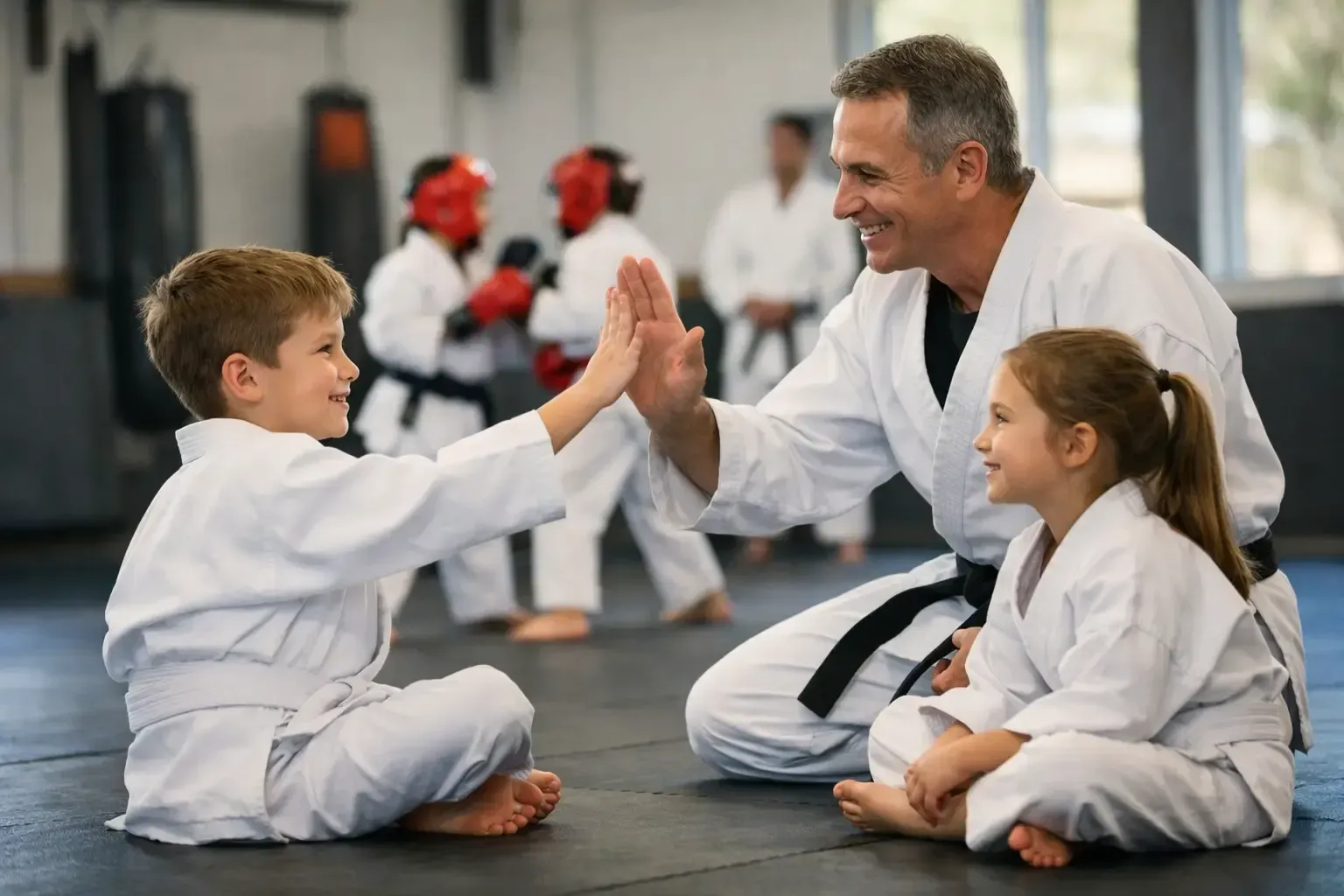
The school day ends, but for many parents, the hardest part starts after pickup. You need something productive, safe, and consistent. A martial arts after school program can fill that gap in a way that goes far beyond simple supervision. When it is run with structure and purpose, it gives kids a place to move, focus, and grow.
For families with children ages 9 to 14, that matters. These are the years when confidence can rise or drop fast, attention gets pulled in every direction, and habits start to stick. The right program does not just keep kids occupied for an hour. It teaches them how to carry themselves with more discipline, more respect, and more self-control.
What makes a martial arts after school program different?
Not every after-school activity asks a child to grow physically and mentally at the same time. Martial arts does. A good class is active, but it is not chaotic. Kids are learning technique, following instruction, practicing control, and improving step by step.
That balance is what makes the format so effective. In one session, a student may work on stance, striking drills, partner practice, footwork, conditioning, and class etiquette. They are moving the whole time, but they are also listening, adjusting, and learning how to stay composed under pressure.
For parents, that often translates into benefits that show up outside the school as well. Kids may have more patience with homework, better body awareness, and a stronger sense of responsibility. That does not happen overnight, and it does not happen in every program. It depends on the instructors, the class structure, and whether the culture rewards growth instead of ego.
The real benefits parents tend to notice first
The first visible change is often confidence. Not loud confidence or attention-seeking confidence, but steadier confidence. A child who walks into class feeling unsure can start to stand taller after a few weeks of consistent training. They learn skills, remember combinations, handle challenges, and see proof that effort leads to progress.
Focus is another major benefit. Martial arts asks kids to pay attention to details. Where are their feet? Are their hands up? Did they listen to the instruction the first time? That kind of repetition strengthens concentration in a practical way. For some children, especially those who struggle with unstructured environments, this can be a better fit than activities with too much downtime.
There is also the physical side. Many kids spend a large part of the day sitting in class, then more time sitting at home. Martial arts gives them a full-body outlet. They build coordination, balance, strength, and endurance without feeling like they are being sent to exercise for its own sake. The training has purpose, and kids usually respond well to that.
Then there is self-defense. Parents are right to care about it, but it helps to be realistic. A strong martial arts after school program should teach awareness, boundaries, and controlled responses, not just punching and kicking. Real self-defense starts with confidence, posture, and decision-making. Physical techniques matter, but so does learning when to step back, when to speak up, and when to get help.
Why structure matters more than flashy promises
Some programs market themselves with high energy and big claims. That can sound appealing, but parents should look deeper. The real question is not whether the class seems exciting on day one. It is whether the training is structured enough to help a child improve over time.
A well-run class has clear expectations. Students know how to line up, how to listen, how to practice safely, and how to show respect to instructors and classmates. That kind of environment helps children feel secure, especially if they are beginners or naturally hesitant.
It also creates accountability. Kids are not just burning energy. They are being coached. They are corrected when needed, encouraged when they struggle, and challenged to keep improving. That is where character development comes from. Discipline is not something children absorb from a slogan on the wall. It comes from repeated action inside a consistent training environment.
Is every child a good fit?
In most cases, yes, but the reasons vary.
Some kids are naturally active and need a place to channel that energy. Martial arts gives them direction. Some are quiet or cautious and need a space where they can build confidence without being overwhelmed. Martial arts can support that too.
That said, not every program fits every child. A highly competitive school may motivate one student and discourage another. A class with too little structure can leave some kids distracted instead of focused. This is why instructor style matters so much.
For beginners, especially, a supportive environment is essential. Kids should feel challenged, but not intimidated. They should be pushed to improve, but not compared in a way that makes them shut down. Strong instruction keeps standards high while still meeting students where they are.
What to look for in a martial arts after school program
Parents do not need to be martial artists to judge quality. You can learn a lot by watching how a class is taught.
Look for instructors who are calm, clear, and engaged. They should know how to lead a room, correct students respectfully, and keep the pace moving. If the class feels disorganized, or if discipline seems to depend on yelling, that is usually a warning sign.
Pay attention to the culture between students as well. Do kids encourage each other? Are they learning teamwork along with technique? A healthy martial arts school should build respect, not attitude.
It also helps to ask what the program is actually designed to develop. Some schools focus mostly on games and activity. Others are more serious about skill-building, discipline, and personal growth. Neither approach is automatically wrong, but parents should choose based on what their child truly needs.
For many families, the best fit is a program that blends fitness, practical self-defense, and character development in a non-competitive setting. That combination gives kids room to improve without the pressure that can come with fight-centered training.
Why this matters in a city environment
For families in New York City, after-school hours can feel especially fragmented. Schedules are tight, space is limited, and kids are often moving between school, screens, and short bursts of activity. A structured martial arts class can bring real stability to that part of the day.
It gives children a place where expectations are clear and effort is taken seriously. That can be powerful in any setting, but especially in a fast-moving environment where distractions are everywhere. At a school like NY Best Kickboxing, that structure is paired with coaching that treats growth as the goal, not showing off.
This matters for parents who want more than convenience. They want an activity that helps their child become stronger, more focused, and more resilient.
The long-term value goes beyond the class itself
The strongest after-school programs do more than create a good routine for this semester. They help build habits that last. A child who learns how to stay consistent with training, respond to instruction, and work through frustration is learning skills that carry into school, friendships, and future goals.
That does not mean martial arts turns every student into a completely different person. Growth is usually quieter than that. A child may become a little more patient, a little more confident, a little more willing to try hard things. Those shifts add up.
Parents often look for one activity that checks every box. No program can do everything. But martial arts comes close because it trains the body, sharpens the mind, and reinforces values that kids need far outside the studio.
If you are considering an after-school option, look for the one that gives your child more than a place to pass the time. Look for training that teaches them how to stand tall, stay respectful, and keep going when something feels difficult. That kind of lesson stays with them long after class ends.
SIGN YOUR CHILD UP FOR A TRIAL PROGRAM